

A Strategic Guide For The Modern Traveler: maximizing-points-and-miles
Earn Smarter. Fly Better.
Points and miles are the modern traveler’s most powerful financial tool — when you know how to use them for maximizing-points-and-miles.
Every influencer with a call-light wants to sell you a credit card. This guide exists because you deserve better than affiliate-driven hype dressed up as advice. What follows is a 5‑step system built on math, strategy, and 30 plus years of honest redemptions — not sponsored content.
Table of Contents
- Step 1 — Know the Landscape
- Step 2 — Choose Your Cards Strategically
- Step 3 — Focus on Execution
- Step 4 — Redeem Like a Pro
- Step 5 — Travel Smart in Times of Turmoil
- The Bottom Line
- Glossary
- FAQ
Maximizing Points and Miles: Strategies for Success
01
Step 1 — Know the Landscape
Before you earn a single point, understand what you’re earning — and what it’s actually worth. This foundation is essential for maximizing points and miles.
What Are Points & Miles, Really?
Points and miles are digital currencies issued by credit card companies, airlines, and hotels. Their value depends entirely on how you redeem them — not how you earn them.
A point is not a penny. A point is a unit of potential — and its value depends entirely on how you redeem it.
There are two fundamentally different types of points:
Proprietary airline and hotel miles — locked to a single program. Useful, but limited.
Transferable credit card points — the real power play. These give you optionality, the single most valuable thing in the points-and-miles game.
THINK OF IT THIS WAY
Proprietary miles are like gift cards — useful but limited. Transferable points are like foreign currency you can exchange at dozens of banks for the best rate.
The Big Three Transferable Currencies (2026)
Three ecosystems dominate the transferable points landscape. Understanding them is the foundation of every travel rewards strategy — and a core part of maximizing points and miles.
| Program | Currency | Strength |
|---|---|---|
| American Express | Membership Rewards | Deep airline partners, great for premium cabins. |
| Chase | Ultimate Rewards | Balanced ecosystem with strong travel partners. |
| Capital One | Miles | Flexible transfers and simple earn structure. |
Why Hyatt Points Are the Most Valuable in the Game Park Hyatt Buenos Aires points and miles redemption example
Hyatt’s award chart is one of the last remaining structures where you can still extract outsized value from your points. Especially at high-end properties, Hyatt points routinely deliver far more value per point than many airline miles or fixed-value currencies.
| Property | Cash Rate (Example) | Points Rate | Approx. Value |
|---|---|---|---|
| Palacio Duhau – Park Hyatt Buenos Aires | $900+ per night (peak) | 25,000–35,000 points | Often 2.0–3.0¢ per point in value |

Off‑season dates at the Palacio Duhau can drop to just 25,000 points per night.
For reference, the Palacio Duhau–Park Hyatt Buenos Aires often drops to 25,000 Hyatt points on off‑season dates. You can see the live rate calendar directly on Hyatt’s official site .
This is where maximizing points and miles stops being theoretical and becomes very real: you’re turning everyday spend into $900+ hotel nights for a fraction of the cost, simply by understanding which currencies are worth collecting — and where to deploy them.
Palacio Duhau – Park Hyatt Buenos Aires
Belle‑Époque elegance, modern suites, and a garden hideaway—now through the lens of points vs. cash.

A single night at this Belle‑Époque palace can be unlocked with a well‑timed points redemption, instead of cash.

The same room, at the same palace—paid in cash at the full nightly rate.

02
Step 2 — Choose Your Cards Strategically for Maximizing Points and Miles
The right card isn’t the one with the biggest bonus. It’s the one that fits your spending like a glove.
The Welcome Bonus Is the Appetizer, Not the Meal
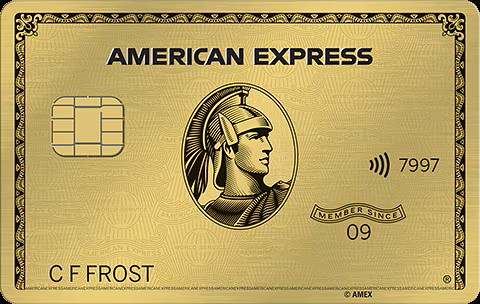
Sign-up bonuses are powerful accelerants. In 2026, the headline offers are compelling: Chase Sapphire Reserve at 125,000 points, Amex Platinum offering up to 175,000 points, and the Capital One Venture X at 75,000 miles. These bonuses can single-handedly fund a premium transatlantic flight or a week at a luxury hotel.
But the real value is in the ongoing earn structure and how the card integrates with your daily life. A welcome bonus is consumed in a single redemption. The category multipliers and perks serve you for years.
A 100,000-point bonus means nothing if the card costs you $695/year and you never use the perks.
Match the Card to Your Spending DNA
Every household has a spending fingerprint. The right card captures the most value from the categories where your money already goes.
| If You Spend Heavily On… | Best Card Match | Why | ||||||||
|---|---|---|---|---|---|---|---|---|---|---|
| Dining + Travel | Chase Sapphire Reserve or Amex Gold | 3x dining / 5x Chase Travel or 4x dining / 4x groceries | ||||||||
| Groceries + Streaming | Amex Gold | 4x on groceries at U.S. supermarkets, covers streaming credits | ||||||||
| General / Everything | Capital One Venture X | 2x on everything, $300 travel credit offsets $395 fee | ||||||||
| Business Expenses | Chase Ink Business Preferred |

| Option | Details | Value |
|---|---|---|
| Cash Ticket | Roundtrip economy for $950 all-in. | N/A |
| Award Ticket | 50,000 points + $150 in taxes/fees. | ≈ 1.6 cpp |
Now compare that to a business-class seat for 75,000 points + $200 in fees when the cash price is $3,500. That’s roughly 4.4¢ per point. Same points. Radically different outcome.
Pro-level redemptions don’t chase “free.” They chase outsized value — turning a realistic stash of points into a seat you’d never pay cash for.
Four Rules for Redeeming Like a Pro
- Rule 1: If you’re getting less than ~1.3–1.4¢ per point, strongly consider paying cash.
- Rule 2: Use points for flights and premium hotels — not gift cards or Amazon purchases.
- Rule 3: Be flexible. Award space is a moving target, especially across continents.
- Rule 4: Don’t hoard forever. Programs devalue. Aim to redeem within 12–24 months.
Redeeming like a pro isn’t about chasing every deal — it’s about aligning your points with the trips that actually matter to you.


05
Step 5 — Travel Smart in Times of Turmoil
When the world gets unstable, the rules of award travel shift — sometimes overnight. Knowing how to adapt is essential for maximizing points and miles.
During turbulent periods, airlines quietly tighten the flow of partner‑bookable award space, especially in premium cabins. You’ll often see entire months with zero First or Business Class seats available through partners — even when the airline itself is still selling those seats for cash.
This is the part they rarely explain: award charts don’t matter when airlines stop releasing seats. You can have the perfect stash of points and still be locked out of the cabin you want.
When partner availability dries up, the game doesn’t end — it just changes. And the travelers who adapt are the ones who still win.
What Actually Happens During Turbulent Markets
- Cash fares drop — airlines need revenue, so they discount premium cabins.
- Award space tightens — airlines protect their highest-margin seats.
- Partner bookings disappear first — they cost airlines more, so they’re the first to be cut.
- Cash earns miles + elite credit — sometimes making it the smarter play.
The Pivot: When Cash Beats Points
When award space collapses, the smartest travelers shift strategy. Instead of forcing a redemption, they watch for:
- Quiet premium‑cabin sales
- Off‑peak pricing windows
- Business‑class fare drops on secondary routes
- Mileage earnings + elite status boosts from paid tickets
In turbulent markets, cash often beats points — not because points lost value, but because availability did.
The Travelers Who Win Are the Ones Who Pivot
The winners aren’t the ones who hoard points. They’re the ones who understand the system well enough to switch strategies when the market shifts. They know when to redeem, when to wait, and when to book cash instead.
The Bottom Line
Points and miles aren’t magic — they’re a system. A system that rewards strategy, timing, and consistency. When you understand how to earn efficiently, store flexibly, and redeem deliberately, you unlock travel opportunities that cash alone could never buy.
In calm markets, points unlock premium cabins for pennies on the dollar. In turbulent markets, cash fares can outperform award charts. The key is knowing when to pivot — and having a plan that works in both environments.
Earn smart. Store smart. Redeem smart.
That’s the entire game — and now you know how to play it.
Glossary
- Award Space
- Seats airlines release for booking with points. Limited, dynamic, and highly competitive.
- Award Release Window
- The two most common times airlines release award seats: 11–12 months out and 2–4 weeks before departure.
- Seat Finder
- Tools that scan airlines for award availability across multiple dates and routes.
- Flexible Points
- Transferable currencies like Chase Ultimate Rewards, Amex Membership Rewards, and Capital One Miles.
- Premium Cabin
- Business or First Class — where points deliver the highest value.
- Partner Availability
- Award seats bookable through partner airlines. Often more limited than direct bookings.
- Dynamic Pricing
- Award prices that fluctuate based on demand, season, and revenue forecasts.
- CPP (Cents Per Point)
- A value calculation: (cash price avoided – taxes/fees) ÷ points used × 100.
- Devaluation
- When programs increase award prices or reduce partner value. Happens quietly and often.
- Sweet Spot
- A high‑value redemption where points deliver outsized travel value.
- Execution
- The skill of finding award space, understanding release patterns, and pivoting between cash and points.
Frequently Asked Questions
How many points do I need for a business‑class seat to Europe?
A business‑class seat to Europe can price at 60–80K miles one‑way when saver space is available, but normal redemptions can easily cost more than 3× that amount.
Is it better to earn cash‑back or points?
If you want premium travel — lie‑flat seats, luxury hotels, international trips — points deliver far more value. If you prefer simplicity or rarely travel, cash‑back may be a better fit.
Do points expire?
Transferable points (Chase, Amex, Capital One) never expire as long as your account remains open. Airline and hotel points vary — some expire after 12–24 months of inactivity.
Should I transfer points before I find award space?
No. Transfers are almost always one‑way and irreversible. Only transfer after you’ve confirmed the seat is available and ready to book.
What’s the biggest mistake beginners make?
They chase bonuses without a plan. The real power comes from earning flexible points and redeeming them at high‑value sweet spots.
How many cards do I actually need?
Most travelers thrive with a simple 2–3 card setup: one transferable‑points card, one no‑annual‑fee daily driver, and optionally a category booster.
Should I hoard points or redeem them quickly?
Programs devalue over time. Aim to redeem within 12–24 months for the best value.
It is prudent to concentrate on maximizing points and miles by redeeming them strategically within a 12 to 24-month timeframe, as programs tend to devalue over time. This approach not only ensures optimal value but also facilitates the enjoyment of travel opportunities as they present themselves.
Insider Tips & Insights
Want to know when the best deals hit? Sign up for our newsletter and be the first to hear about flight sales, hotel steals, and simple ways to make your points work harder for you.
© 2026 Destination Points. All rights reserved.